

Photo by Catherine Sheila on Pexels
![]()
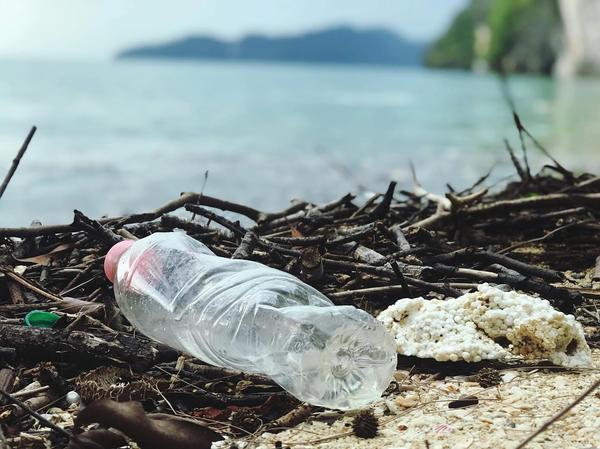
Plastic and Health
This brief discusses the acute global health consequences of plastic, particularly because of the immense pollution from single use plastic (SUP). Given the integration of plastic in Canadian lifestyles, consequences of our consumption actions echo overseas through waste shipments, which end up in the environment and circle back through bioaccumulation in the food system (Ferronato and Torretta, 2019). Although Canada recognizes the urgent need to curb plastic waste, policies have focused on reduced usage and recycling. A viable non-toxic and fully compostable (leaving behind no microplastics) alternative, polyhydroxyalkanoates (PHA) exists, however, challenges such as manufacturing cost and economic importance of the petrochemical industry in Canada have slowed diffusion (Mukherjee and Koller, 2023; Canadian Association of Petroleum Producers (CAPP), 2025) .